MHMS FIJI
COVID-19 Update 28-02-2022

COVID-19 Situation Update

Monday 28th February
Transmission Update:

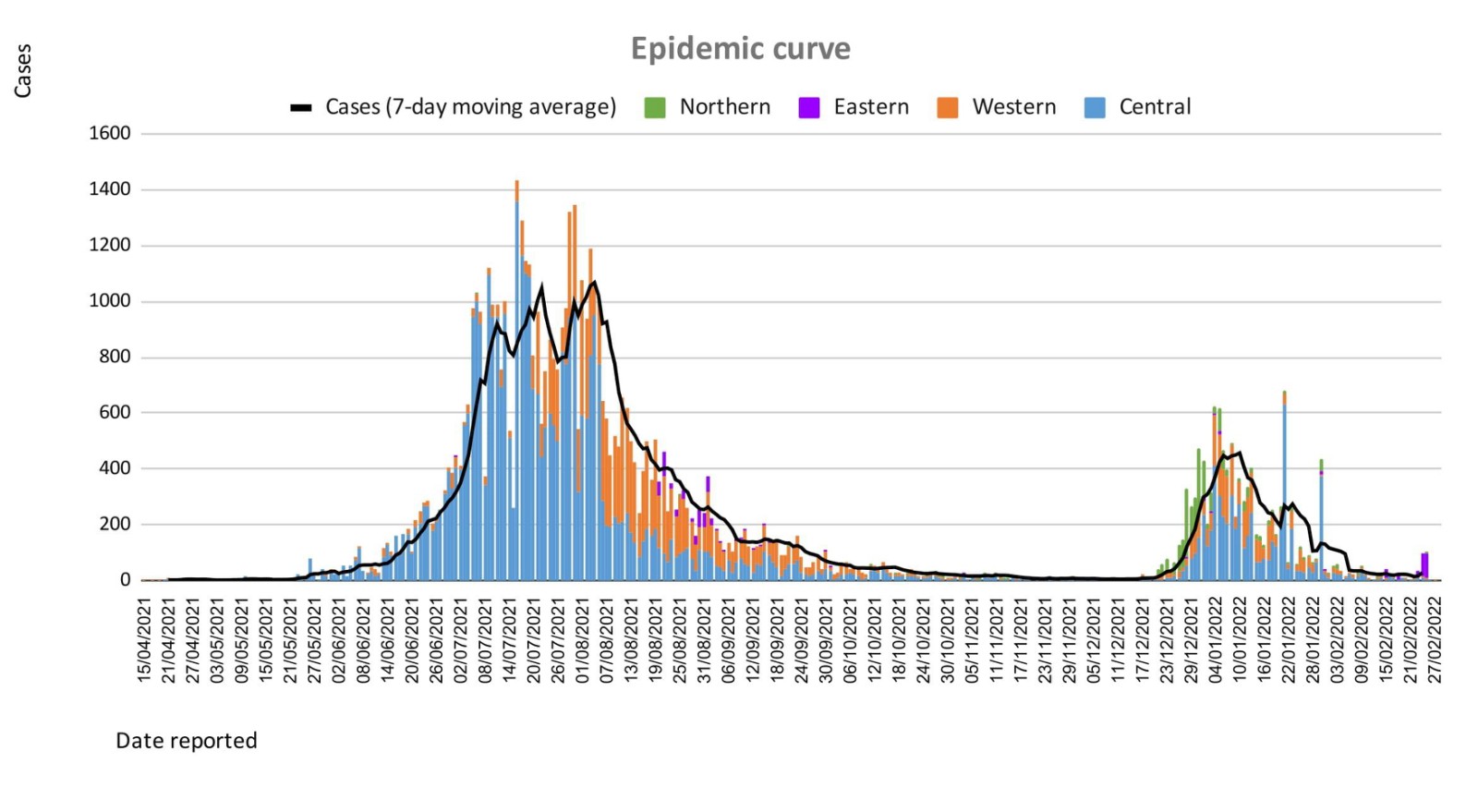
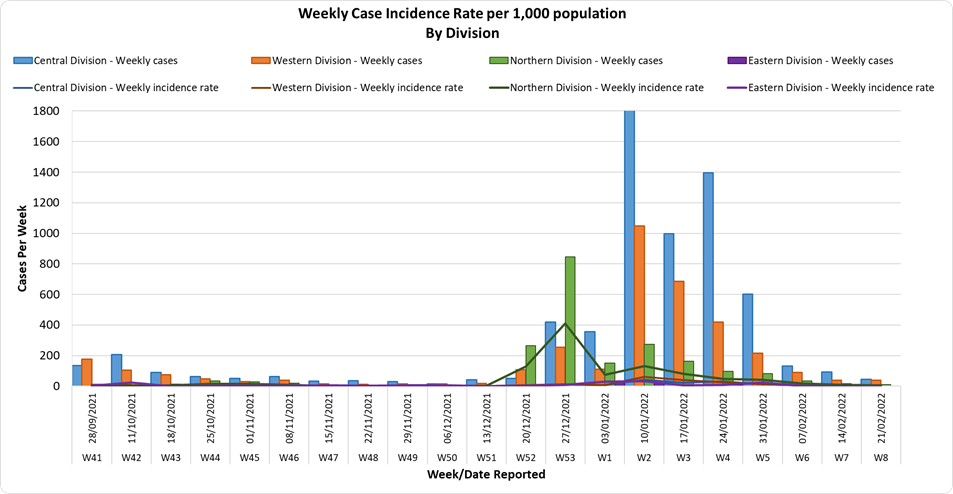
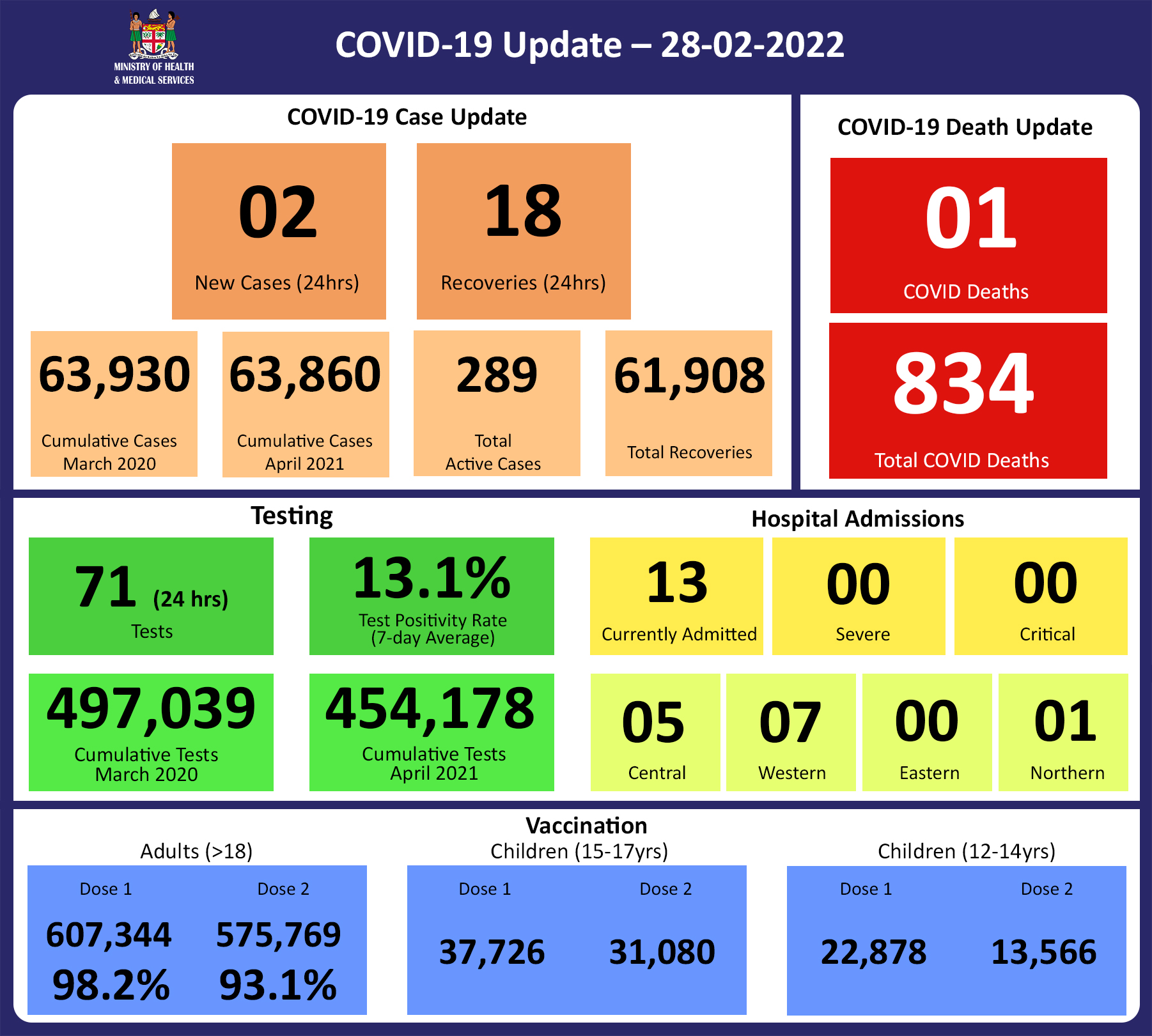
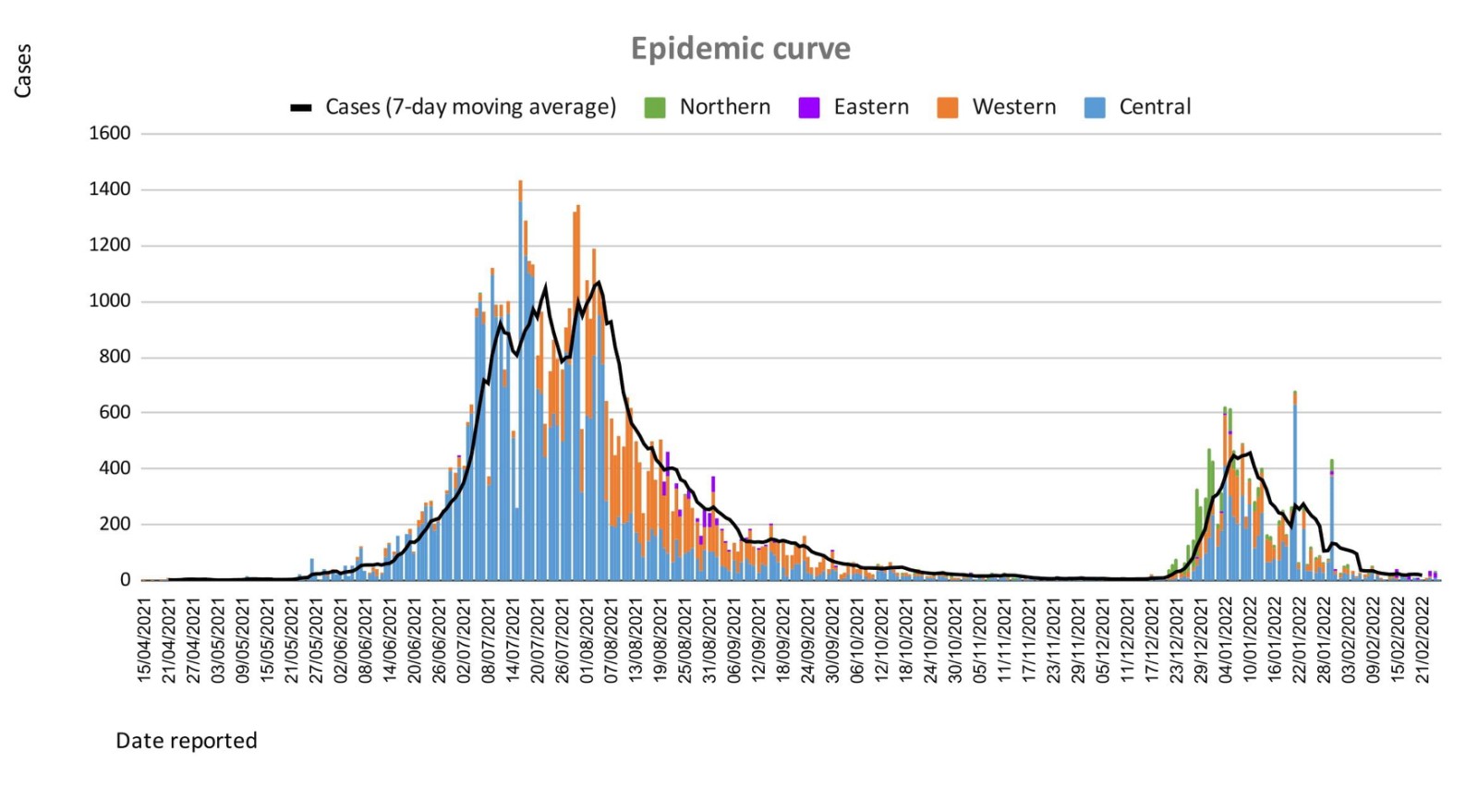
Since the last update, we have recorded 103 new cases of which 97 new cases were recorded on 26/02/2022; 4 new cases were recorded on 27/02/2022 and 2 new cases in the last 24 hours ending at 8 am this morning.

Of the 103 cases recorded, 8 cases were recorded in the Central Division; 7 cases were recorded in the Western Division, 4 cases were recorded in the Northern Division, and 84 cases were recorded in the Eastern Division.

Overall, there have been 63,860 cases of COVID-19 recorded in Fiji, with 68% of the cases from the Central Division, 28% of the cases from the Western Division, 1% of the cases from the Eastern Division, and 3% from the Northern Division.

The national 7-day rolling average of cases as of 24th February is 28 daily cases.

Deaths:

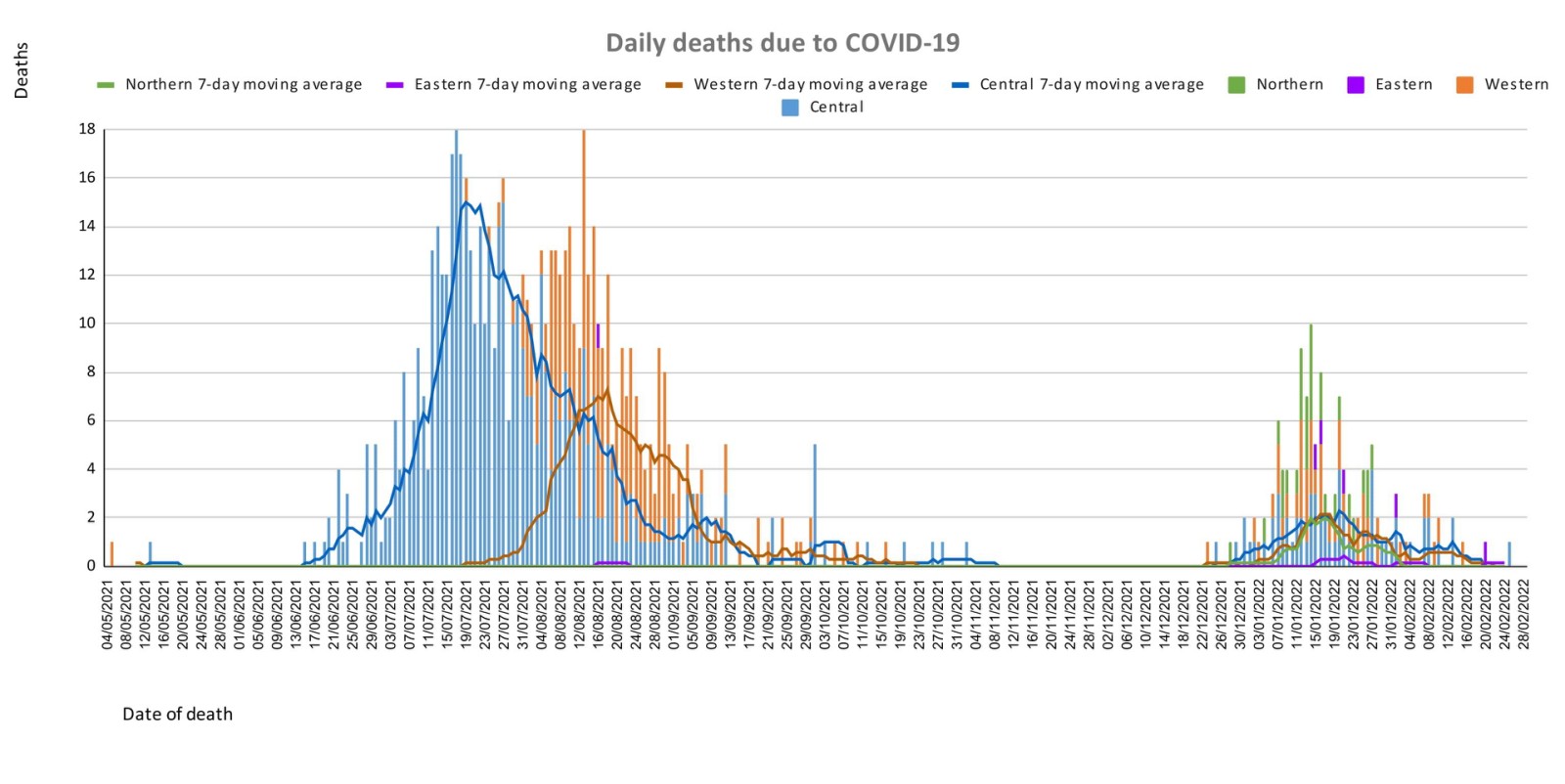
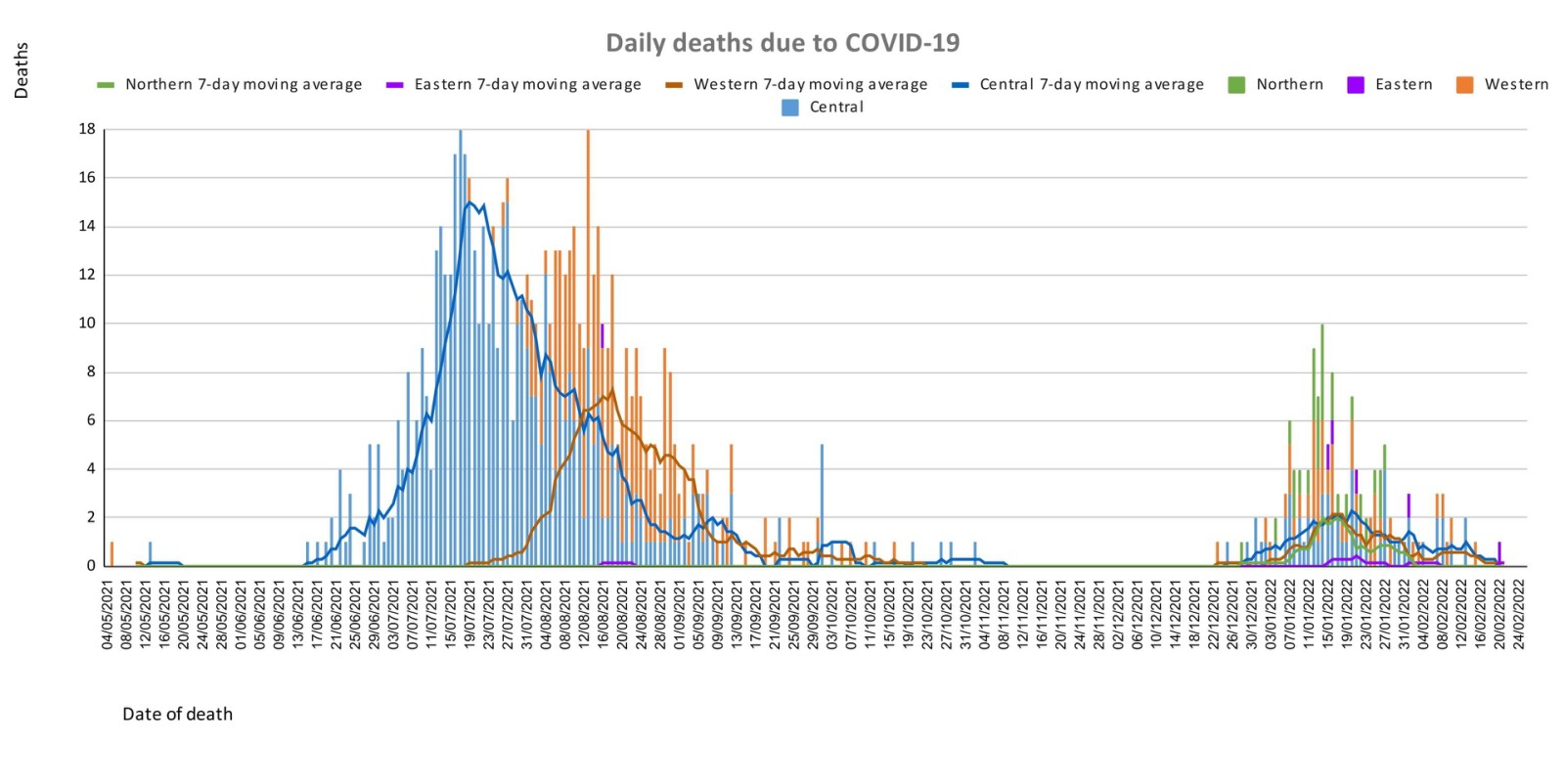
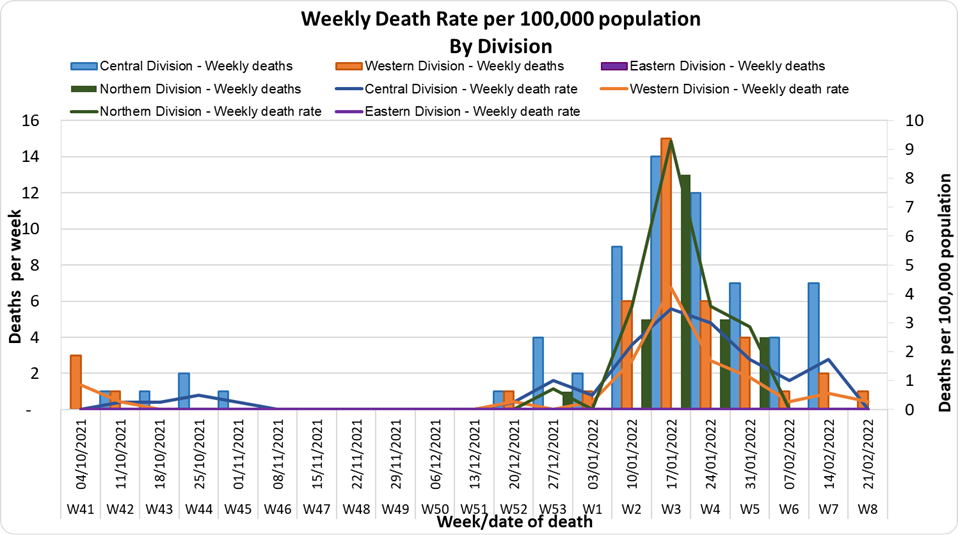
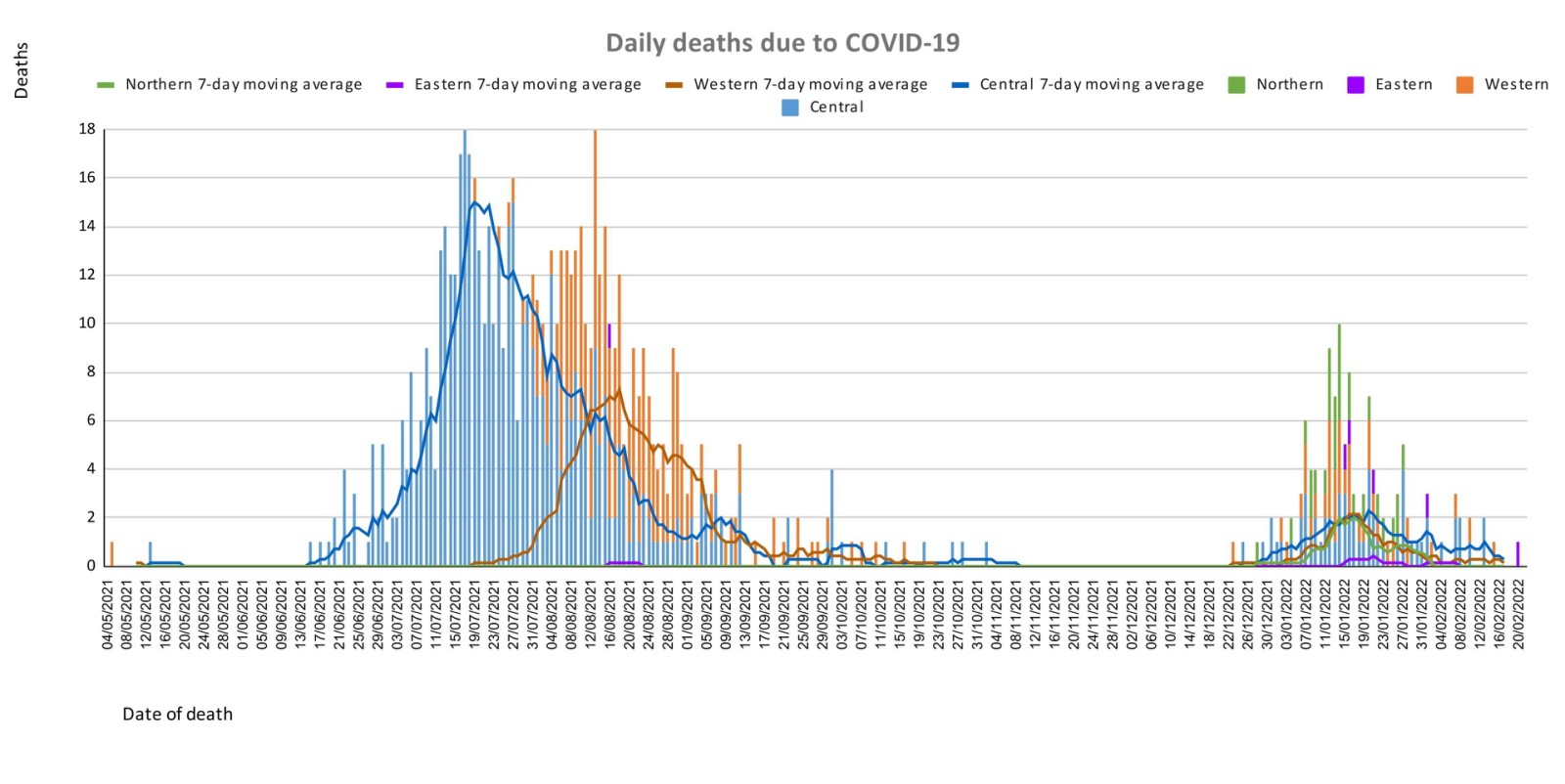
The curves depict weekly COVID-19 deaths by division since May 2021. It indicates a surge from December-end 2021, which peaks by mid-January 2022. The 3rd COVID 19 wave is considered to have started around mid to late December 2021. (Note: Death notifications from within the last two weeks are still being received, therefore the graphs may alter slightly upon reporting).

Analysis of Deaths in the Third Wave 

Table 1: Death rates by Division

Division Total COVID Deaths Deaths per 100,000
Central 61 15.2
Western 44 12.3
Northern 28 20.0
Eastern 5 13.0

An analysis of the 138 deaths recorded in the third wave show that, while the Central Division has the highest absolute number of deaths, the Northern Division has the highest rate of death when adjusted for population. 


Table 2: Deaths by Age Group

Age Group Total Deaths Deaths per 100,000 population
0 – 9 6 3.3
10-19 2 1.3
20-29 3 2.1
30-39 4 2.9
40-49 6 5.8
50-59 18 19.8
60-69 27 51.9
70-79 42 187.5
80-89 23 408.8
90-99 5 961.5


For the 138 deaths in the third wave, the death rate adjusted per 100,000 population, has been highest in age groups 50 and onwards. There were 8 deaths below the age of 19 years, 7 out of the 8 children had significant pre-existing medical conditions, and one child had no known underlying medical condition.

Table 3: Deaths by Vaccination Status

Age Cohort Total COVID deaths Total Vaccinated/ Unvaccinated Deaths per 100,000 Vaccinated Population Deaths per 100,000 Unvaccinated Population
>18 130 55/75 9.5 175.1
15-17 1 0/1 0 6.6
12-14 1 0/1 0 2.5

Out of 138 COVID -19 deaths reported in the third wave, six (6) deaths were in the population not eligible for vaccination (under age 12). An analysis of the 132 deaths in the vaccine-eligible population reflected, that when adjusted per 100,000 population, for fully vaccinated (received 2 doses) and unvaccinated/not fully vaccinated (received 0 doses or only 1 dose) adults in Fiji, a death rate of 9.5 per 100,000 population for fully vaccinated adults and 176.3 for unvaccinated adults was exhibited. This means that unvaccinated adults in Fiji have been dying at a rate 18.5 times higher than fully vaccinated adults during the current COVID-19 wave. Individuals of the 12-17 age group who died were not vaccinated. There have been no COVID-19 deaths in individuals who received a booster (3rd dose) of the vaccine.

New deaths to report

There is one new COVID-19 death to report.

The COVID-19 death is of an 87-year-old female from the Central Division, who died at home on 25/02/2022. She was not vaccinated.

There have been a total of 834 deaths due to COVID-19 in Fiji. Please note that due to the time required by clinical teams to investigate, classify and report deaths, a 4-day interval is given to calculate the 7 days rolling average of deaths, based on the date of death, to help ensure the data collected is complete before the average is reported. Therefore, as of February 24th, 2022, the national 7 days rolling average for COVID-19 deaths per day is 0.1, with a case fatality rate of 1.29%.

We have recorded 897 COVID-19 positive patients who died from other serious medical conditions unrelated to COVID-19; their doctors determined that COVID-19 did not contribute to their deaths, therefore these are not classified as COVID-19 deaths.

Hospitalization:

There is a sustained downward trend in daily hospitalizations. Using the WHO clinical severity classification, a greater percentage, 61% (n=8) of the admissions of COVID-19 positive patients are categorised as asymptomatic and mild, 31% (n=4) is categorised as moderate and 8% (n=1) as severe with nil cases in the critical category. Anyone admitted to the hospital is tested before admission, therefore, a significant number of people are admitted to the hospital for non-covid health conditions, but incidentally, test positive due to the high amount of transmission in the community. The number of people being admitted because of COVID-19 remains low.

Testing:

71 tests have been reported for February 27th, 2022. Total cumulative tests since 2020 are 497,039 tests. The 7-day daily test average is 180 tests per day or 0.2 tests per 1,000 population.

The national 7-day average daily test positivity is 13.1%. The high positivity rate is an indication of widespread community transmission.

Public Advisory:

Leptospirosis, typhoid fever, and dengue fever

The next update on the leptospirosis outbreak will be published in the statement on Wednesday. However, reports are indicating increasing hospital admissions for cases of severe leptospirosis in the Western Division, and also now in the Central Division. Cases remain predominantly in the 10-39-year-old age group, with more cases in males than females, and a majority of cases in people of the i-Taukei ethnicity.

As mentioned in the previous updates, the new area of concern is the Ra Medical area where we have noted a marked increase in cases and hospitalisations.  We have increased support to the Ra Subdivision Medical Team by mobilising a FEMAT team to man Rakiraki Hospital while the Ra Medical subdivision team will conduct outreach services to villages and communities in the Ra province. Suspected cases will be counselled on ongoing care and the severely ill will be transferred to the hospital to receive the appropriate treatment. The community outreach teams will also review chronic medical cases and update their management. Environmental Health Officers (EHOs)have also been brought in to work with the communities in escalating cleanup efforts that will help to control the population of communicable disease vectors such as mosquitoes, rats, and other rodents in affected areas. EHOs also assist to educate the communities on the risk of exposure to floodwaters and to discourage our people from playing in flooded areas and muddy places that increase their risk of contracting leptospirosis and other water-borne diseases.

Recent floods have affected many areas and communities throughout the country. The Ministry is focussing on geographical areas of concern for the purpose of mobilizing extra capability to help manage communicable disease outbreaks and also escalate the promotion of preventative measures.

To reduce your individual risk, it is important to understand that exposure to animals, soil, mud, and floodwaters during work or recreation activities increases your risk of infection.

Important prevention measures include wearing full covered footwear at all times when going outdoors, avoiding wading or swimming in flooded waters, using clean fresh water to wash up after exposure to muddy waters, and keeping all food and drinks covered and away from rats. For workplaces, practise good personal hygiene at all times, cover cuts and wounds well, and use protective equipment, especially footwear when in flooded and/or muddy areas.

Early treatment can decrease the severity and duration of the disease. Please seek medical care if you have recently had contact with floodwaters, mud, or animals, and develop the following symptoms: fever, muscle pain, headache. You may also have red eyes, loss of appetite, nausea/vomiting, dizziness, or feel weak.

Leptospirosis can be treated with appropriate antibiotic medications prescribed by a doctor if treatment is sought early. Danger signs for severe leptospirosis include shortness of breath, coughing blood, chest pain, yellow eyes/skin (jaundice), signs of bleeding (including unexplained bruising), decreased or increased urination, difficulty staying awake. Severe leptospirosis is life-threatening, and anyone with these symptoms must be taken to the hospital immediately.

The Ministry has so far recorded a lower number of cases of Typhoid fever than anticipated for the current period as in previous years. Typhoid fever is typically found in areas that do not have access to clean drinking water. We strongly encourage people who live in rural areas, informal urban areas, and any other areas where access to clean drinking water is limited, to boil all drinking water. We must all also continue to practise basic hygiene measures such as frequently washing hands with soap and water, especially after visiting the toilet and before eating or preparing food.

Recent increases in reported cases of Dengue fever from around the country remain a serious concern. We continue to urge everyone to get rid of potential mosquito breeding places, such as empty containers outside your homes that may collect water, including discarded tires. Protect yourself from mosquitoes by using mosquito screens in your homes, and mosquito repellants.

Vaccination

As of the 27th  of February, a total of 103,101 individuals have so far received booster doses. Members of the public are advised to obtain their booster dose after at least 5 months from their second COVID-19 vaccine dose. Moderna vaccine and Pfizer vaccines are both available for adult booster doses.

The Ministry of Health and Medical Services will continue to monitor the advisories on post-infection immunity based on quality data that is being generated globally

Supporting International Travel

  • Plan to remove 3-day hotel stay for fully vaccinated travelers from Travel Partner Countries.

Since the opening of international travel borders to travel partner countries travelers coming in from Travel Partner Countries have had to undergo an in-country test in Fiji on day 2 of stay in Fiji. To support this requirement, a 3-day hotel stay was mandated to minimize the risk of non-compliance to testing and to ensure that all positive tests were appropriately responded to while the traveller was locatable. To be clear, this 3-day stay in a Care Fiji Commitment (CFC) hotel was never a quarantine. The hotel stay is in place to facilitate the testing requirement on day 2 of arrival.

We have noted that while many countries have removed all forms of traveller sequestration, the in-country testing conditions continue. As such we are supporting current efforts to have more testing sites throughout Fiji to which travellers can book for testing, without requiring a hotel stay, as part of prior approval to come into Fiji. We are working together with the Ministry of Trade and Tourism and Ministry of Economy in the final phase of approving this in-country testing for international arrivals by private entities. These private entities will ensure that the test is available and the results will be reported back to Ministry of Health officials. They will also be mandated to report any international traveller who defaults from the mandatory testing. Any traveller defaulting a test will be subject to legal punitive measures.

  • Ongoing Review of Non-Travel Partner Country Status

This ongoing effort is mediated through the Ministry of Commerce, Trade, Tourism and Transport, and the Ministry of Economy (COVID-19 Risk Mitigation Taskforce). Non-Travel Partner Status is assessed and graduated to Travel Partner status based on COVID-19 Transmission Data (cases, admission, and deaths), COVID-19 Community Surveillance data (Test per 1000, positivity rate), and ability to detect Variants (Access to genomic sequence capability). A list of Travel partner countries is available on the following link.
COVID-19 Update 25-02-2022

COVID-19 Situation Update

Friday 25th February

Transmission Update:

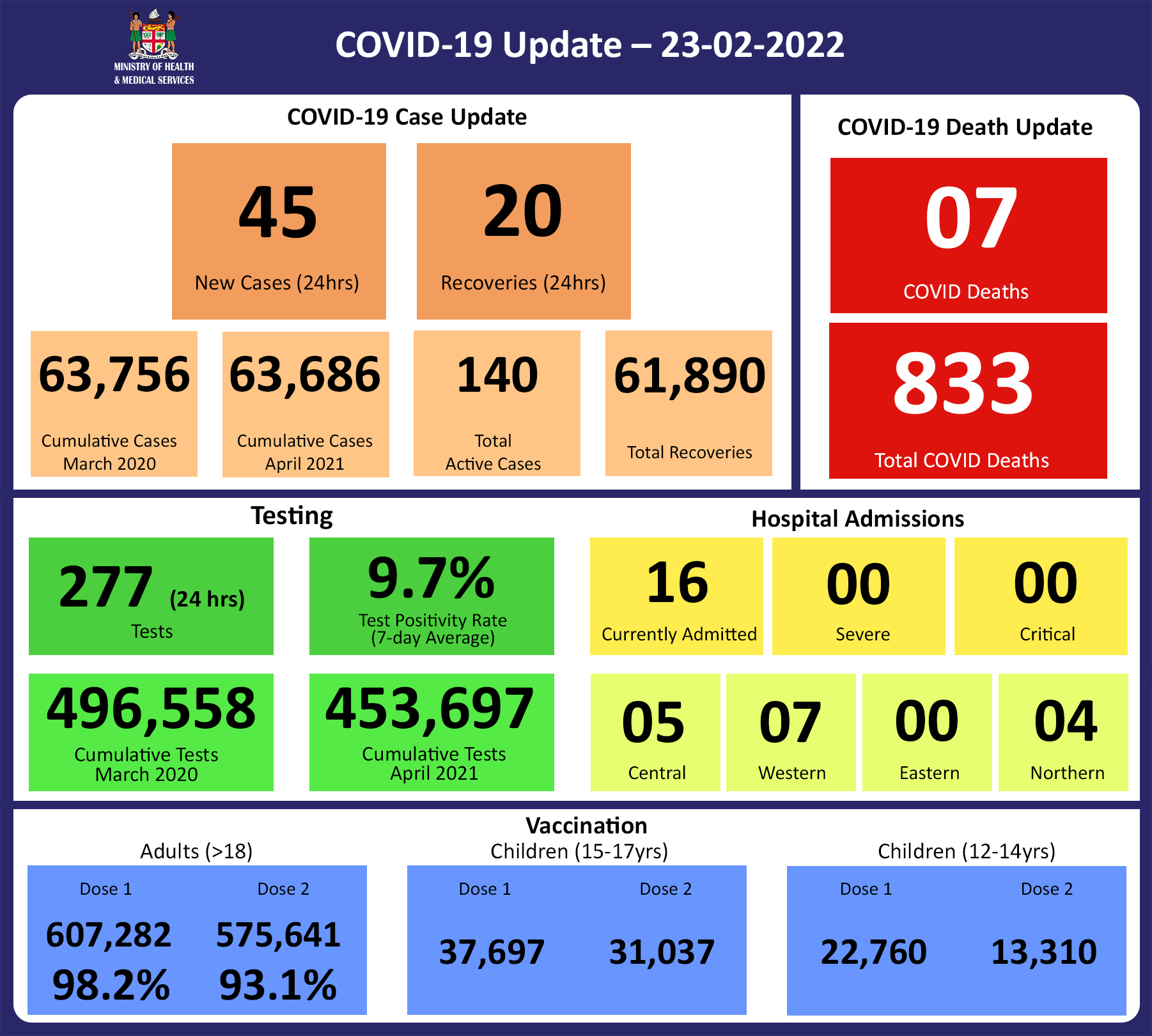
Since the last update, we have recorded 35 new cases of which 24 new cases were recorded on 22/02/2022 and 11 new cases in the last 24 hours ending at 8 am this morning.

Of the 35 cases recorded, 10 cases were recorded in the Central Division; 3 cases were recorded in the Western Division, 4 cases were recorded in the Northern Division, and 18 cases were recorded in the Eastern Division.

The national 7-day rolling average of cases as of 19th February is 23 daily cases.

In the 7 days until 22/02/2022, 46 new cases were recorded in the Central division, 17 new cases in the Western division, 11 new cases in the Northern Division, and 23 new cases in the Eastern Division.

The Central Division cases constitute 68% of the cumulative total cases nationally, with the Western division making up 28%, 3% in the Northern Division, and 1% in the Eastern Division.

Deaths:
The curves depict weekly COVID-19 deaths by division since May 2021. It indicates a surge from December-end 2021, which peaks by mid-January 2022. The 3rd COVID 19 wave is considered to have started around mid to late December 2021. (Note: Death notifications from the week 27/01/22 onwards are still being received, we are currently on week 20/02/2022, therefore the appearance of the graph from week 27/01/22 may change slightly).

Analysis of Deaths in the Third Wave 

Table 1: Death rates by Division

Division Total COVID Deaths Deaths per 100,000
Central 60 14.9
Western 44 12.3
Northern 28 20.0
Eastern 5 13.0

An analysis of the 137 deaths recorded in the third wave show that, while the Central Division has the highest absolute number of deaths, the Northern Division has the highest rate of death when adjusted for population. 


Table 2: Deaths by Age Group

Age Group Total Deaths Deaths per 100,000 population
0 – 9 6 3.3
10-19 2 1.3
20-29 3 2.1
30-39 4 2.9
40-49 6 5.8
50-59 18 19.8
60-69 27 51.9
70-79 42 187.5
80-89 22 391
90-99 5 961.5


For the 137 deaths in the third wave, the death rate adjusted per 100,000 population, has been highest in age groups 50 and onwards. There were 8 deaths below the age of 19 years, 7 out of the 8 children had significant pre-existing medical conditions, and one child had no known underlying medical condition.

Table 3: Deaths by Vaccination Status

Age Cohort Total COVID deaths Total Vaccinated/ Unvaccinated Deaths per 100,000 Vaccinated Population Deaths per 100,000 Unvaccinated Population
>18 129 55/74 9.5 173.9
15-17 1 0/1 0 6.6
12-14 1 0/1 0 2.5

Out of 137 COVID -19 deaths reported in the third wave, six (6) deaths were in the population not eligible for vaccination (under age 12). An analysis of the 129 deaths in the vaccine-eligible population reflected, that when adjusted per 100,000 population, for fully vaccinated (received 2 doses) and unvaccinated/not fully vaccinated (received 0 doses or only 1 dose) adults in Fiji, a death rate of 9.5 per 100,000 population for fully vaccinated adults and 173.9 for unvaccinated adults was exhibited. This means that unvaccinated adults in Fiji have been dying at a rate 18.3 times higher than fully vaccinated adults during the current COVID-19 wave. Individuals of the 12-17 age group who died were not vaccinated. There have been no COVID-19 deaths in individuals who received a booster (3rd dose) of the vaccine.

New deaths to report

There are seven new COVID-19 deaths to report from the period 24th January – 9th February 2022. Please note that these deaths are reported today due to the recent issuance of death certificates. The Ministry of Health and Medical Services carried out a detailed investigation for all COVID -19 deaths before the release of information.

The first COVID-19 death to report is of an 89-year-old male from the Western Division, who died at home on 24/01/2022. He was not vaccinated.

The second COVID-19 death to report is of a 2 month-old male infant from the Western Division, who died at home on 25/01/2022. The infant had been sick for 2 days prior to his death. As per protocol, a COVID-19 test was performed when he was brought to the Lautoka Hospital, confirming a positive result. His hospital records reflected a congenital medical condition (from birth), which when assessed by doctors, had contributed to the severity of his illness. He did not belong to the vaccination eligible population, hence was not vaccinated.

The third COVID-19 death to report is of a 36-year-old female from the Western Division, who died at home on 25/01/2022. She had predisposing medical conditions which were assessed to have contributed to the severity of her illness. She was fully vaccinated.

The fourth COVID-19 death to report is of a 72-year-old female from the Western Division, who died at home on 26/01/2022. She was not vaccinated.

The fifth COVID-19 death to report is of a 78-year-old female from the Western Division, who died at home on 03/02/2022. She was fully vaccinated.

The sixth COVID-19 death to report is of a 68-year-old male from the Western Division, who died at home on 08/02/2022. He had predisposing medical conditions which were assessed to have contributed to the severity of his illness. He was fully vaccinated.

The seventh COVID-19 death to report is of a 63-year-old female from the Western Division, who died at home on 09/02/2022. She was not vaccinated.

There have been a total of 833 deaths due to COVID-19 in Fiji. Please note that due to the time required by clinical teams to investigate, classify and report deaths, a 4-day interval is given to calculate the 7 days rolling average of deaths, based on the date of death, to help ensure the data collected is complete before the average is reported. Therefore, as of February 17th, 2022, the national 7 days rolling average for COVID-19 deaths per day is 0.3, with a case fatality rate of 1.29%.

We have recorded 891 COVID-19 positive patients who died from other serious medical conditions unrelated to COVID-19; their doctors determined that COVID-19 did not contribute to their deaths, therefore these are not classified as COVID-19 deaths.

Hospitalization:

There is a sustained downward trend in daily hospitalizations. Using the WHO clinical severity classification, a greater percentage, 75% (n=12) of the admissions of COVID-19 positive patients are categorised as asymptomatic and mild, 6% (n=1) is categorised as moderate and 19% (n=3) as severe with nil cases in the critical category. Anyone admitted to the hospital is tested before admission, therefore, a significant number of people are admitted to the hospital for non-covid health conditions, but incidentally, test positive due to the high amount of transmission in the community. The number of people being admitted because of COVID-19 remains low.

Testing:

277 tests have been reported for February 24th, 2022. Total cumulative tests since 2020 are 496,558 tests. The 7-day daily test average is 168 tests per day or 0.2 tests per 1,000 population.

The national 7-day average daily test positivity is 9.7%. The high positivity rate is an indication of widespread community transmission.

Public Advisory:

Leptospirosis, typhoid fever, and dengue fever

The outbreak of leptospirosis in the Western Division continues, with 162 cases in total, of which 97 cases were reported in the last week, indicating a distinct upward trend. There are  25 admissions currently in all the hospitals in the West, of which 11 are in Lautoka hospital non-ICU wards and 7 are in the ICU ward requiring ventilation. The 11 admissions in non-ICU wards also include 4 cases that were previously in the ICU ward. The Lautoka team estimated that in the recent past, at least 70% of admissions to ICU have been due to leptospirosis. Cases have been predominantly in the 1 – 39-year-old age group, 61% male and 39% female, and 79% in the i-Taukei population.

The increasing hospitalisations and deaths caused by leptospirosis in the Western Division are of great concern. Sadly, 17 people have died of leptospirosis in the Western Division this year.

Our outreach team to Navosa is currently wrapping up operations this week following a successful campaign in the Navosa medical area. The new area of concern is the Ra Medical area where we have noted a marked increase in cases and hospitalisations.  We will be establishing support to the Ra Subdivision Medical Team on Monday by mobilizing a FEMAT team to look after Rakiraki Hospital and get the Rakiraki hospital team to conduct outreach services to bulk up primary health care services in the community. This will improve their ability to access hard-to-reach communities affected by recent floods and designated as red zones. Suspected cases will be counselled on ongoing care and the severely ill will be transferred to the hospital to receive the appropriate treatment. The team will also be able to review chronic medical cases and update their management. COVID immunisation and booster doses together with the catch-up immunisation campaign for children will run as a parallel program, together with a Social Welfare support program. Environmental Health Officers have also been brought in to work with the community in escalating cleanup efforts that help to control the population of communicable disease vectors such as mosquitoes, rats, and other rodents in affected areas.  Community engagement efforts are also in place measures to educate the community on the risk of exposure to floodwaters and to discourage our people from playing in flooded areas and muddy places that increase their risk of contracting leptospirosis and other water-borne diseases.

There has been a public request that the Ministry of Health should provide a breakdown of which areas in the division are considered red zones for these climate-sensitive diseases so as to help people be on the lookout especially if they are planning to visit certain communities. We need to be clear that the floods have affected all areas of the west. We are looking at geographical areas of concern for the purpose of mobilizing extra capability to help manage the outbreak and also escalate the promotion of preventative measures. To reduce your individual risk, it is important to understand that the risk to humans is mediated by greater occupational and recreational exposure to animals, soil, mud, and water.

Important prevention measures include wearing full covered footwear at all times when going outdoors, avoiding wading or swimming in flooded waters, regular use of clean fresh water to clean up, especially after exposure risk in flooded and/or muddy areas, and keeping all food and drinks covered and away from rats. For workplaces the importance of controlling pests, practising good personal hygiene, using protective equipment, especially footwear when in flooded and/or muddy areas.

Early treatment can decrease the severity and duration of the disease. Please seek medical care if you have recently had contact with floodwaters, mud, or animals, and develop the following symptoms: fever, muscle pain, headache. You may also have red eyes, loss of appetite, nausea/vomiting, dizziness, or feel weak. Leptospirosis can be treated with appropriate antibiotic medications prescribed by a doctor if treatment is sought early. Danger signs for severe leptospirosis include shortness of breath, coughing blood, chest pain, yellow eyes/skin (jaundice), signs of bleeding (including unexplained bruising), decreased or increased urination, difficulty staying awake. Severe leptospirosis is life-threatening, and anyone with these symptoms must be taken to the hospital immediately.

For typhoid fever, we have seen case numbers less than expected for the current period. We are hopeful that this is the impact of the WASH (Water, Sanitation and Hygiene) initiative that has been ongoing since tropical cyclone Yasa and Ana. Typhoid fever is typically found in areas that do not have access to clean drinking water such as rural areas and urban informal settlements. We strongly encourage people, especially those in rural areas, informal urban areas, and any other areas where access to clean drinking water is limited, to boil all drinking water. We must all also continue to practise basic hygiene measures such as frequently washing hands with soap and water, but especially after visiting the toilet and before eating or preparing food.

Dengue cases are also within expected numbers however recent increases in cases do represent a serious concern. We continue to urge everyone to get rid of potential mosquito breeding places, such as empty containers outside your homes that may collect water, including discarded tires. You must also prevent yourself from being bitten by mosquitoes through the use of mosquito screens in your homes, and mosquito repellants.

Vaccination

We have completed our current stocks of AstraZeneca and we will get more stocks in the next 6 weeks. Meanwhile, we will continue to deploy Moderna and Pfizer as primary doses for children and adults, and booster doses for adults.

The booster dose program began at the end of November 2021. As of the 25th  of February, 101,807 individuals have so far received booster doses.

Many questions have been received on the role of post-infection immunity in defining our COVID-protected population. Then immunity gained through vaccination remains the only means by which we can measure immunity and therefore refine public health measures in the face of the ongoing risk of variant development and therefore future outbreaks. The Ministry of Health and Medical Services will continue to monitor the advisories on post-infection immunity based on quality data that is being generated globally

Living with COVID 19

The majority of new cases reported today are from the maritime islands and reflect ongoing transmission. There are 7 delayed death reports. This serves as a reminder that the COVID 19 remains a concern for Fiji.

We should be wary of efforts to remove all public health measures too soon. Globally, there are ongoing risks of variant development and therefore the escalation of the epidemic in Fiji. Building national resilience to living with COVID 19 is crucial. This requires 2 important strategies from a health program perspective.

1. More balanced use of public health measures.

Hand washing and cough etiquette are immovable as public health measures. Regular hand sanitization and coughing/sneezing into a tissue or handkerchief, or the bend of your elbow, are healthy habits that protect yourself and others from COVID-19 and other infectious diseases. Isolating yourself, or staying away from others, when you are sick with any respiratory illness is also a good habit to protect others, especially the vulnerable.

Masking, physical distancing, and ventilation are 3 measures that must constantly be present, but there is some flexibility in increasing 2 others when one of the measures becomes difficult to apply. Whatever the scenario, an effective mask must be kept close to you at all times. The current masking requirement that wearing a mask that covers your nose and mouth is mandatory in all public places for everyone aged 8 and over, including in public service vehicles remains in force. The Ministry of Health and Medical Services is looking into a list of exemption criteria; however, we expect that this list will not be exhaustive and we hope to leave some space for a common-sense approach to evolve.

In a setting where physical distancing of 2 metres is more difficult, then increasing ventilation and more strict masking practice will be needed even more.  A well-ventilated indoor space refers to an indoor space wherein there is a good movement of outside air coming into the space, and inside air is going out. A suboptimally ventilated space is bad for many reasons aside from COVID, however, in this scenario, the physical distancing rules will increase and masking is more necessary. For custodians of workplaces, houses of worship, and the like, balancing the relationship between ventilation, physical distance, and masking is the only way to ensure that services are COVID safe and can be customized to the principle of living with the virus. SOPs need to be configured to all activities that occur in your work or worship space in order to be COVID Safe resilient. We all want to mitigate the risk of unsustainable sick leave levels every time we get a variant, and more variants will come. Mitigating the risk of people getting sick is the best way to reduce further the risk of severe disease and death beyond the protection afforded by vaccination. Promoting good COVID safe principles in a common-sense approach is the best way to start.

2. Protecting the Vulnerable

We have highlighted how severe comorbidities and poor health-seeking behaviour have vastly contributed to severe outcomes in the COVID outbreak. We need to build resilience in the face of an endemic problem. Based on the lessons learned from the deaths, we need to:

  • Prevent all preventable chronic diseases of which NCDs are the most prominent
  • Promote the better control of controllable chronic diseases of which NCDs are the most prominent, and
  • Build stronger support for better health-seeking behaviour, especially among the vulnerable amongst us

We are urgently reviewing and strengthening our public health measures to find, stop and prevent health threats wherever they arise. Our sub-divisional health teams have been reminded to review and strengthen their community surveillance program and line list management of vulnerable persons.

However, the impact of these efforts cannot be sustained unless we get a broad level of support from the community in implementing the above 3 strategies, and at the same time reducing the transmission of COVID-19 to protect our vulnerable populations. Maintaining the Vaccine Plus approach remains critical.

Thank You Serua – Namosi Province

Thank you Serua- Namosi Province says the Minister for Health and Medical Services.

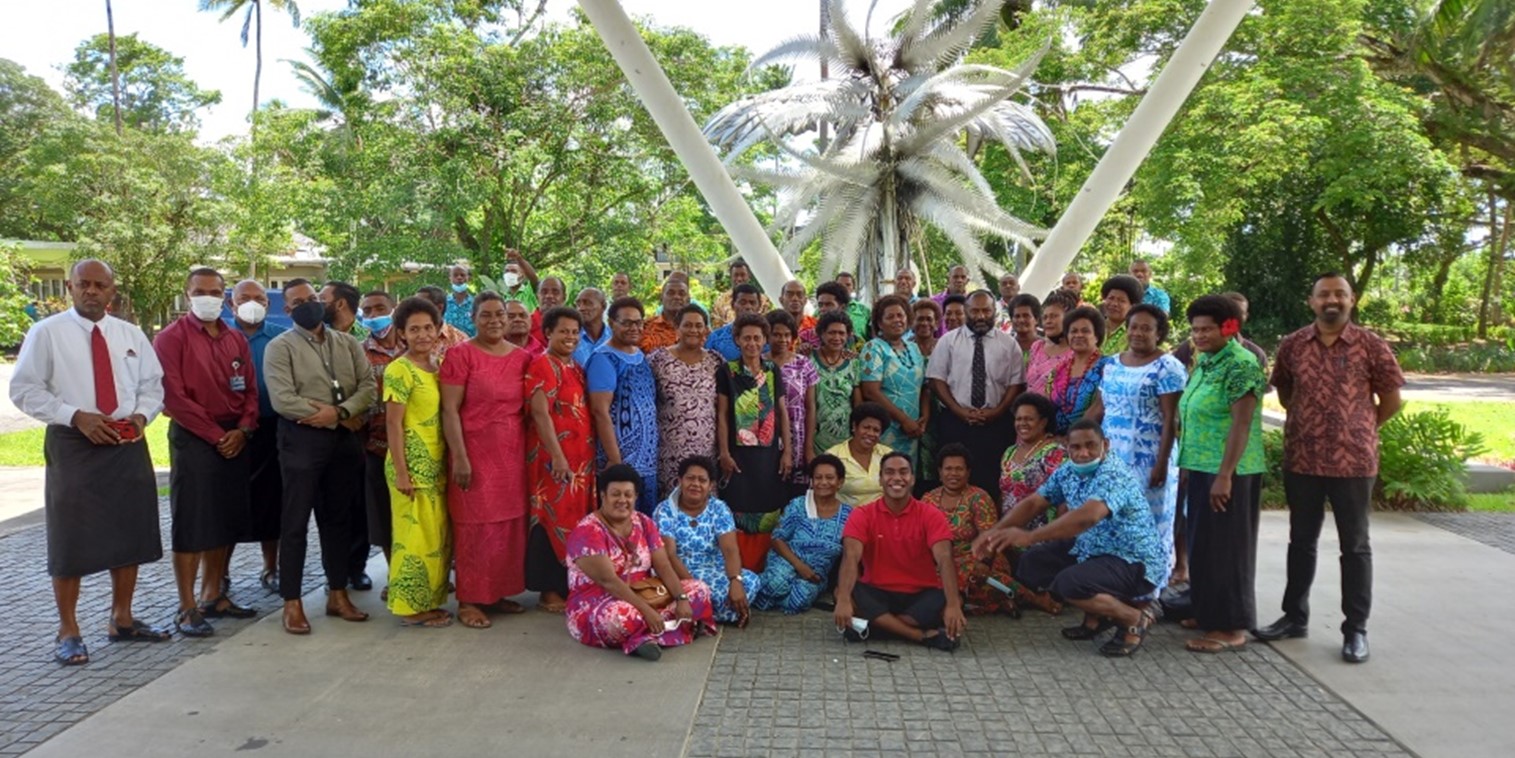
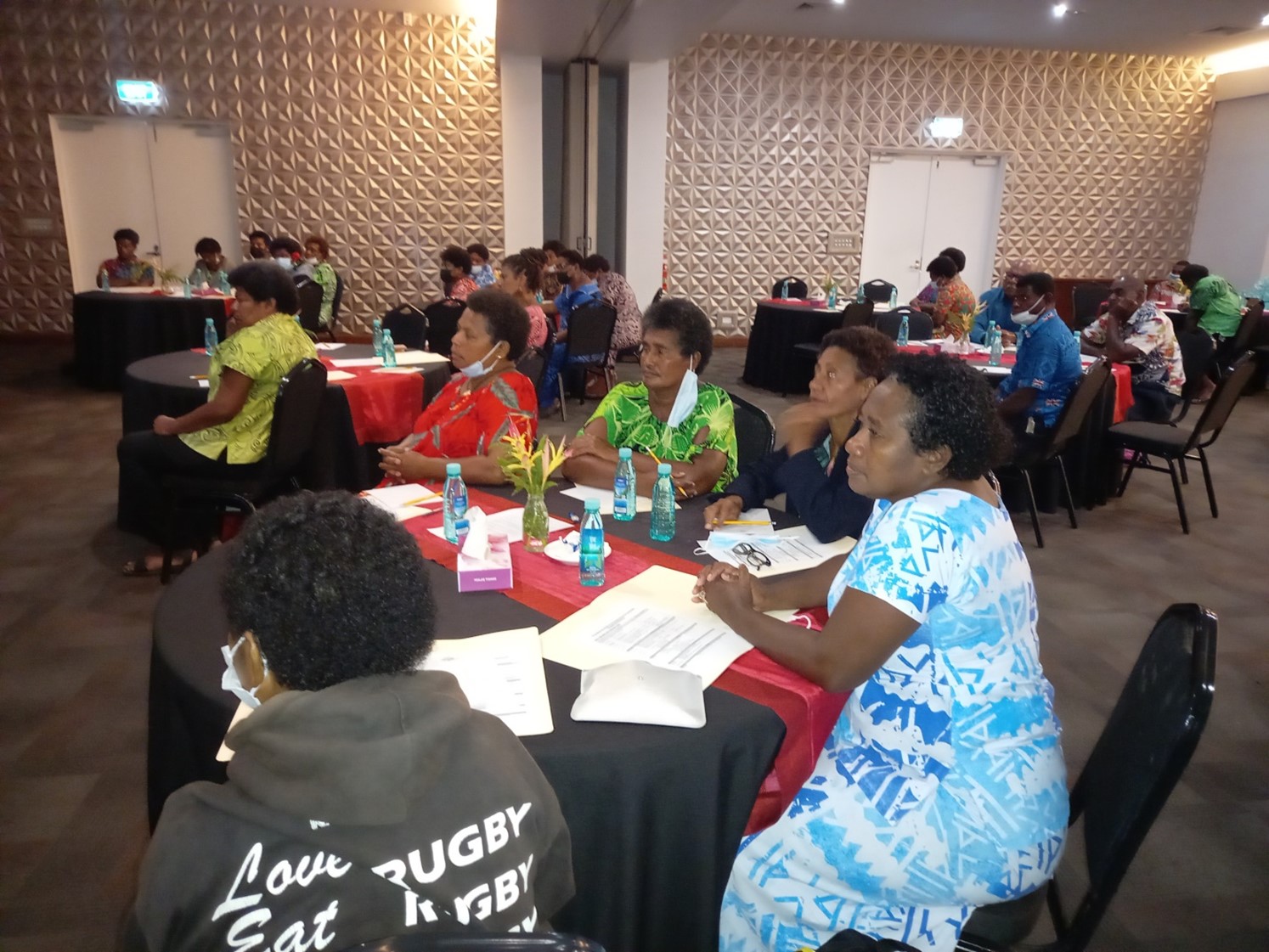
About 140 participants from the Serua Namosi Province including Beqa and Yanuca took part in a Covid-19 Community Engagement Workshop held at the Pearl Resort in Pacific Habour on Monday 21/2 and Tuesday 22/2/2022. The participants comprise village nurses, turaga ni koro, mata ni tikinas, Red Cross officials together with the Roko Tui and Provincial Administrator of the province.

The aim of the workshop was to capture and document the participants’ experiences, their successful stories, their challenges, and the action they took during the Covid-19 pandemic.  Dr. Ana Maisema the General Manager Incidental Management Team (IMT) says that the document produced after the ‘two-day workshop would be an important one to IMT and the Ministry as it would serve as a reference point on how we can better prepare and coordinate for any future pandemic.

The Minister for Health and Medical Services Hon. Dr Ifereimi Waqainabete whilst opening the workshop stresses to the participants the impact of their roles and responsibilities as they are the eyes and ears of government on the ground and without their combined efforts, our beloved Fiji would not be able to restore the sense of normalcy we enjoying today and on behalf of government I just want to say thank you all.

The workshop was funded by the World Bank Covid-19 Emergency Response Project Unit.

Health and Medical Services Minister Hon. Dr Ifereimi Waqainabete with the first day participants at the Pearl Resort.


Participants during the second-day workshop in full concentration to the presentation.
COVID-19 Update 23-02-2022

COVID-19 Situation Update

Wednesday 23rd February

Transmission Update:

Since the last update, we have recorded 35 new cases of which 24 new cases were recorded on 22/02/2022 and 11 new cases in the last 24 hours ending at 8 am this morning.

Of the 35 cases recorded, 10 cases were recorded in the Central Division; 3 cases were recorded in the Western Division, 4 cases were recorded in the Northern Division, and 18 cases were recorded in the Eastern Division.

The national 7-day rolling average of cases as of 19th February is 23 daily cases.

In the 7 days until 22/02/2022, 46 new cases were recorded in the Central division, 17 new cases in the Western division, 11 new cases in the Northern Division, and 23 new cases in the Eastern Division.

The Central Division cases constitute 68% of the cumulative total cases nationally, with the Western division making up 28%, 3% in the Northern Division, and 1% in the Eastern Division.

Deaths:

The curves depict weekly COVID-19 deaths by division since May 2021. It indicates a surge from December-end 2021, which peaks by mid-January 2022. The 3rd COVID 19 wave is considered to have started around mid to late December 2021. (Note: Death notifications from the weeks 27/01/22 onwards are still being received, we are currently on week 14/02/2022, therefore the appearance of a downward trend on the graph from week 27/01/22 may not be accurate. There are deaths from the Western Division currently under investigation for the same period hence, the death rate for the division may increase).

Analysis of Deaths in the Third Wave 

Table 1: Death rates by Division

Division Total COVID
Deaths
Deaths per
100,000
Central 60 14.9
Western 37 10.4
Northern 28 20.0
Eastern 5 13.0

An analysis of the 130 deaths recorded in the third wave show that, while the Central Division has the highest absolute number of deaths, the Northern Division has the highest rate of death when adjusted for population. (Note: There are deaths currently being investigated from the Western Division for the same period, therefore the rate for the division may increase).

Table 2: Deaths by Age Group

Age Group Total Deaths Deaths per 100,000
population
0 – 9 5 2.7
10-19 2 1.3
20-29 3 2.1
30-39 3 2.2
40-49 6 5.8
50-59 18 19.8
60-69 26 50.0
70-79 41 180.0
80-89 21 373.2
90-99 5 961.5

For the 130 deaths in the third wave, the death rate adjusted per 100,000 population, has been highest in age groups 50 and onwards. There were 7 deaths below the age of 19 years, 6 out of the 7 children had significant pre-existing medical conditions, and one child had no known underlying medical condition.

Table 3: Deaths by Vaccination Status

Age Cohort Total COVID deaths Total Vaccinated/ Unvaccinated Deaths per 100,000 Vaccinated Population Deaths per 100,000 Unvaccinated Population
>18 123 52/71 9 163.2
15-17 1 0/1 0 6.6
12-14 1 0/1 0 2.5

Out of 130 COVID -19 deaths reported in the third wave, five (5) deaths were in the population not eligible for vaccination (under age 12). An analysis of the 125 deaths in the vaccine-eligible population reflected, that when adjusted per 100,000 population, for fully vaccinated (received 2 doses) and unvaccinated/not fully vaccinated (received 0 doses or only 1 dose) adults in Fiji, a death rate of 9.0 per 100,000 population for fully vaccinated adults and 165.5 for unvaccinated adults was exhibited. This means that unvaccinated adults in Fiji have been dying at a rate 18.3 times higher than fully vaccinated adults during the current COVID-19 wave. Individuals of the 12-17 age group who died were not vaccinated. There have been no COVID-19 deaths in individuals who received a booster (3rd dose) of the vaccine.

New deaths to report

There are no new COVID-19 deaths to report today.

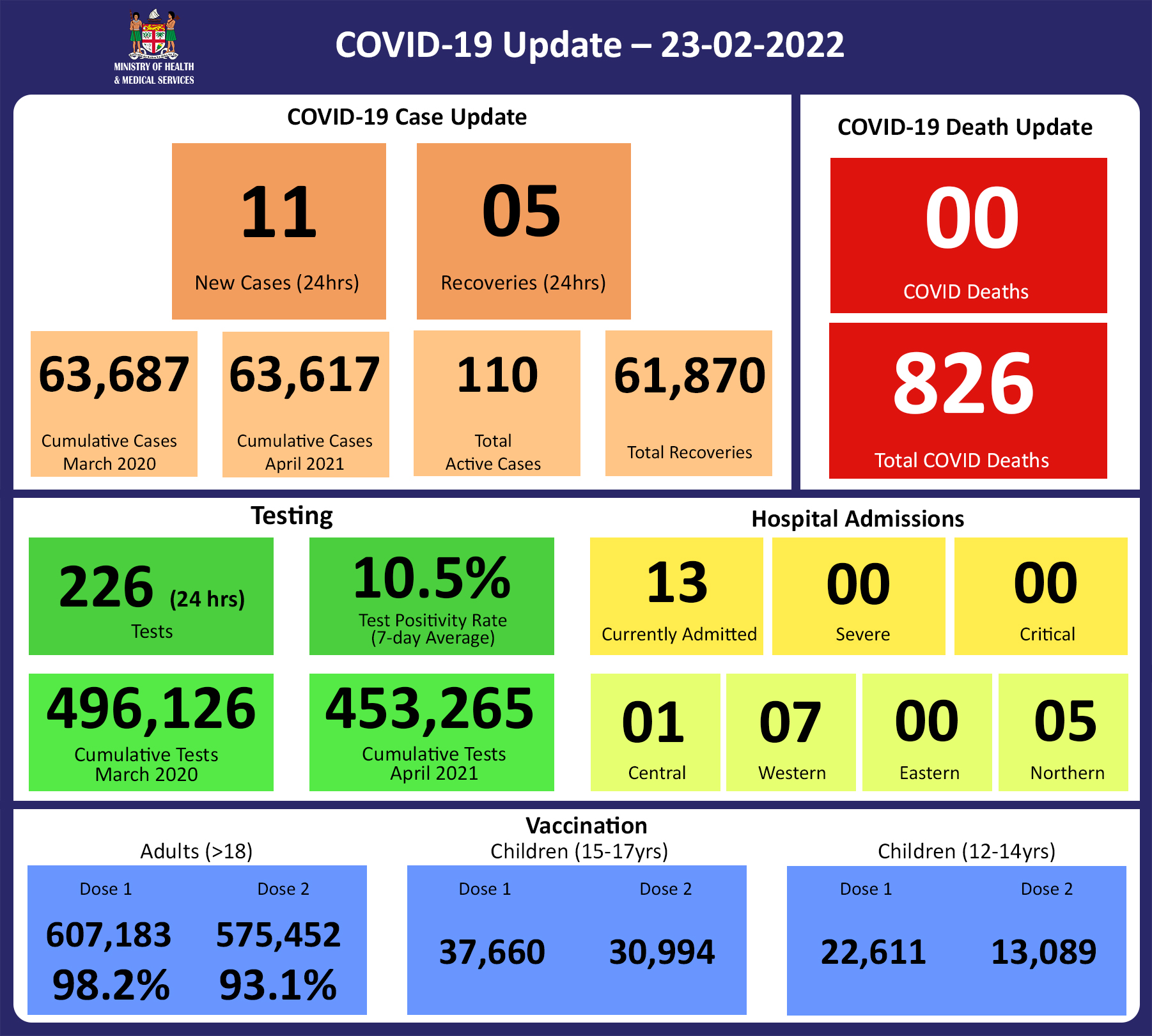
There has been a total of 826 deaths due to COVID-19 in Fiji. Please note that due to the time required by clinical teams to investigate, classify and report deaths, a 4-day interval is given to calculate the 7 days rolling average of deaths, based on the date of death, to help ensure the data collected is complete before the average is reported. Therefore, as of February 17th, 2022, the national 7 days rolling average for COVID-19 deaths per day is 0.4, with a case fatality rate of 1.29%.

We have recorded 879 COVID-19 positive patients who died from other serious medical conditions unrelated to COVID-19; their doctors determined that COVID-19 did not contribute to their deaths, therefore these are not classified as COVID-19 deaths.

Hospitalization:

There is a sustained downward trend in daily hospitalizations. Using the WHO clinical severity classification, a greater percentage, 84% (n=11) of the admissions of COVID-19 positive patients are categorised as asymptomatic and mild, 8% (n=1) is categorised as moderate and 8% (n=1) as severe with nil cases in the critical category. Anyone admitted to the hospital is tested before admission, therefore, a significant number of people are admitted to the hospital for non-covid health conditions, but incidentally, test positive due to the high amount of transmission in the community. The number of people being admitted because of COVID-19 remains low.

Testing:

226 tests have been reported for February 22nd, 2022. Total cumulative tests since 2020 are 496,126 tests. The 7-day daily test average is 161 tests per day or 0.2 tests per 1,000 population.

The national 7-day average daily test positivity is 10.5%. The high positivity rate is an indication of widespread community transmission.

Public Advisory:

Leptospirosis, typhoid fever, and dengue fever

The outbreak of leptospirosis in the Western Division continues, with 162 test positive cases recorded so far this year. There have also been 110 cases in Central, 67 in the North, and 8 cases in the Eastern Division. Cases have been predominantly in the 1 – 39-year-old age group, 61% male and 39% female, and 79% in the i-Taukei population.

The increasing hospitalisations and deaths caused by leptospirosis in the Western Division are of great concern. There have been 108 leptospirosis admissions in the West this year. An increasing trend is noted, with 17 cases two weeks ago, and 42 admissions last week. 27 hospital admissions have been reported at Rakiraki hospital, with 19 of these admissions in the last week. Ba hospital has recorded 19 admissions, with 5 in the last week. Nadroga/Navosa subdivision has had 14 hospital admissions, with 5 in the last week. Nadi hospital reported 9 admissions, with 5 in the last week. And Tavua subdivision with 5 hospital admissions, including 4 in the last week. There have been 52 leptospirosis admissions to Lautoka hospital, including transfers of patients admitted at the above-mentioned subdivisional hospitals.

Sadly, 17 people have died of leptospirosis in the Western Division this year, with 1 more death since the last update on 21/02/22.

Our outreach team to Navosa is currently wrapping up operations this week following a successful campaign in the Navosa medical area. The new area of concern is the Ra Medical area where we have noted a marked increase in cases and hospitalisations.  We will be mobilizing support to the Ra Subdivision Medical Team to meet the escalated need of accessing hard-to-reach communities affected by recent floods and designated as red zones. Suspected cases will be counselled on ongoing care and the severely ill will be transferred to the hospital to receive the appropriate treatment. The team will also be able to review chronic medical cases and update their management. COVID immunisation and booster doses together with the catch-up immunisation campaign for children will run as a parallel program, together with a Social Welfare support program. Environmental Health Officers have also been brought in to work with the community in escalating cleanup efforts that help to control the population of communicable disease vectors such as mosquitoes, rats, and other rodents in affected areas.  Community engagement efforts are also in place measures to educate the community on the risk of exposure to floodwaters and to discourage our people from playing in flooded areas and muddy places that increase their risk of contracting leptospirosis and other water-borne diseases.

There has been a public request that the Ministry of Health should provide a breakdown of which areas in the division are considered red zones for these climate-sensitive diseases so as to help people be on the lookout especially if they are planning to visit certain communities. We need to be clear that the floods have affected all areas of the west. We are looking at geographical areas of concern for the purpose of mobilizing extra capability to help manage the outbreak and also escalate the promotion of preventative measures. To reduce your individual risk, it is important to understand that the risk to humans is mediated by greater occupational and recreational exposure to animals, soil, mud, and water.

Important prevention measures include wearing full covered footwear at all times when going outdoors, avoiding wading or swimming in flooded waters, regular use of clean fresh water to clean up, especially after exposure risk in flooded and/or muddy areas, and keeping all food and drinks covered and away from rats. For workplaces the importance of controlling pests, practicing good personal hygiene, using protective equipment, especially footwear when in flooded and/or muddy areas.

Early treatment can decrease the severity and duration of the disease. Please seek medical care if you have recently had contact with floodwaters, mud, or animals, and develop the following symptoms: fever, muscle pain, headache. You may also have red eyes, loss of appetite, nausea/vomiting, dizziness, or feel weak. Leptospirosis can be treated with appropriate antibiotic medications prescribed by a doctor if treatment is sought early. Danger signs for severe leptospirosis include shortness of breath, coughing blood, chest pain, yellow eyes/skin (jaundice), signs of bleeding (including unexplained bruising), decreased or increased urination, difficulty staying awake. Severe leptospirosis is life-threatening, and anyone with these symptoms must be taken to the hospital immediately.

For typhoid fever, we have seen case numbers less than expected for the current period. We are hopeful that this is the impact of the WASH (Water, Sanitation and Hygiene) initiative that has been ongoing since tropical cyclone Yasa and Ana. Typhoid fever is typically found in areas that do not have access to clean drinking water such as rural areas and urban informal settlements. We strongly encourage people, especially those in rural areas, informal urban areas, and any other areas where access to clean drinking water is limited, to boil all drinking water. We must all also continue to practise basic hygiene measures such as frequently washing hands with soap and water, but especially after visiting the toilet and before eating or preparing food.

Dengue cases are also within expected numbers however recent increases in cases do represent a serious concern. We continue to urge everyone to get rid of potential mosquito breeding places, such as empty containers outside your homes that may collect water, including discarded tires. You must also prevent yourself from being bitten by mosquitoes through the use of mosquito screens in your homes, and mosquito repellants.

Vaccination

We have completed our current stocks of AstraZeneca and we will get more stocks in the next 6 weeks. Meanwhile, we will continue to deploy Moderna and Pfizer as primary doses for children and adults, and booster doses for adults.

The booster dose program began at the end of November 2021. As of the 23rd  of February, 98,683 individuals have so far received booster doses.

Many questions have been received on the role of post-infection immunity in defining our COVID-protected population. Then immunity gained through vaccination remains the only means by which we can measure immunity and therefore refine public health measures in the face of the ongoing risk of variant development and therefore future outbreaks. The Ministry of Health and Medical Services will continue to monitor the advisories on post-infection immunity based on quality data that is being generated globally

Living with COVID 19

We should be wary of efforts to remove all public health measures too soon. Globally, there are ongoing risks of variant development and therefore the escalation of the epidemic in Fiji. Building the national resilience to living with COVID 19 is crucial. This requires 2 important strategies from a health program perspective.

1. More balanced use of public health measures.

Hand washing and cough etiquette are immovable as public health measures. Regular hand sanitization and coughing/sneezing into a tissue or handkerchief, or the bend of your elbow, are healthy habits that protect yourself and others from COVID-19 and other infectious diseases. Isolating yourself, or staying away from others, when you are sick with any respiratory illness is also a good habit to protect others, especially the vulnerable.

Masking, physical distancing, and ventilation are 3 measures that must constantly be present, but there is some flexibility in increasing 2 others when one of the measures becomes difficult to apply. Whatever the scenario, an effective mask must be kept close to you at all times. The current masking requirement that wearing a mask that covers your nose and mouth is mandatory in all public places for everyone aged 8 and over, including in public service vehicles remains in force. The Ministry of Health and Medical Services is looking into a list of exemption criteria; however, we expect that this list will not be exhaustive and we hope to leave some space for a common-sense approach to evolve.

In a setting where physical distancing of 2 metres is more difficult, then increasing ventilation and more strict masking practice will be needed even more.  A well-ventilated indoor space refers to an indoor space wherein there is a good movement of outside air coming into the space, and inside air is going out. A suboptimally ventilated space is bad for many reasons aside from COVID, however, in this scenario, the physical distancing rules will increase and masking is more necessary. For custodians of workplaces, houses of worship, and the like, balancing the relationship between ventilation, physical distance, and masking is the only way to ensure that services are COVID safe and can be customized to the principle of living with the virus. SOPs need to be configured to all activities that occur in your work or worship space in order to be COVID Safe resilient. We all want to mitigate the risk of unsustainable sick leave levels every time we get a variant, and more variants will come. Mitigating the risk of people getting sick is the best way to reduce further the risk of severe disease and death beyond the protection afforded by vaccination. Promoting good COVID safe principles in a common-sense approach is the best way to start.

2. Protecting the Vulnerable

We have highlighted how severe comorbidities and poor health-seeking behaviour have vastly contributed to severe outcomes in the COVID outbreak. We need to build resilience in the face of an endemic problem. Based on the lessons learned from the deaths, we need to:

  • Prevent all preventable chronic diseases of which NCDs are the most prominent
  • Promote the better control of controllable chronic diseases of which NCDs are the most prominent, and
  • Build stronger support for better health-seeking behaviour, especially among the vulnerable amongst us

We are urgently reviewing and strengthening our public health measures to find, stop and prevent health threats wherever they arise. Our sub-divisional health teams have been reminded to review and strengthen their community surveillance program and line list management of vulnerable persons.

However, the impact of these efforts cannot be sustained unless we get a broad level of support from the community in implementing the above 3 strategies, and at the same time reducing the transmission of COVID-19 to protect our vulnerable populations. Maintaining the Vaccine Plus approach remains critical.

COVID-19 Update 21-02-2022

COVID-19 Situation Update

Monday 21st February

Transmission Update:

Since the last update, we have recorded 26 new cases of which 11 new cases were recorded on 19/02/2022, 3 new cases were recorded on 20/02/2022 and 12 new cases in the last 24 hours ending at 8 am this morning.

Of the 26 cases recorded, 13 cases were recorded in the Central Division; 4 cases were recorded in the Western Division, 6 cases were recorded in the Northern Division, and 3 cases were recorded in the Eastern Division.

Overall, there have been 63,580 cases of COVID-19 recorded in Fiji, with 68% of the cases from the Central Division, 28% of the cases from the Western Division, 1% of the cases from the Eastern Division, and 3% from the Northern Division.

The national 7-day rolling average of cases as of 17th February is 19 daily cases.

Deaths:

The curves depict daily COVID-19 deaths by division since May 2021. It indicates a surge from December-end 2021, which peaks by mid-January 2022. The 3rd COVID 19 wave is considered to have started around mid to late December 2021. (Note: Death notifications from the weeks 27/01/22 onwards are still being received, we are currently on week 21/02/2022, therefore the appearance of a downward trend on the graph from week 27/01/22 may not be accurate. There are deaths from the Western Division currently under investigation for the same period hence, the death rate for the division may increase).

Analysis of Deaths in the Third Wave 

Table 1: Death rates by Division

Division Total COVID Deaths Deaths per 100,000
Central 60 14.9
Western 37 10.4
Northern 28 20.0
Eastern 5 13.0

An analysis of the 130 deaths recorded in the third wave shows that, while the Central Division has the highest absolute number of deaths, the Northern Division has the highest rate of death when adjusted for population. (Note: There are deaths currently being investigated from the Western Division for the same period, therefore the rate for the division may increase).

Table 2: Deaths by Age Group

Age Group Total Deaths Deaths per 100,000
population
0 – 9 5 2.7
10-19 2 1.3
20-29 3 2.1
30-39 3 2.2
40-49 6 5.8
50-59 18 19.8
60-69 26 50.0
70-79 41 180.0
80-89 21 373.2
90-99 5 961.5

For the 130 deaths in the third wave, the death rate adjusted per 100,000 population, has been highest in age groups 50 and onwards. There were 7 deaths below the age of 19 years, 6 out of the 7 children had significant pre-existing medical conditions, and one child had no known underlying medical condition.

Table 3: Deaths by Vaccination Status

Age Cohort Total COVID deaths Total Vaccinated/ Unvaccinated Deaths per 100,000 Vaccinated Population Deaths per 100,000 Unvaccinated Population
>18 123 52/71 9 163.2
15-17 1 0/1 0 6.6
12-14 1 0/1 0 2.5

Out of 130 COVID -19 deaths reported in the third wave, five (5) deaths were in the population not eligible for vaccination (under age 12). An analysis of the 125 deaths in the vaccine-eligible population reflected, that when adjusted per 100,000 population, for fully vaccinated (received 2 doses) and unvaccinated/not fully vaccinated (received 0 doses or only 1 dose) adults in Fiji, a death rate of 9.0 per 100,000 population for fully vaccinated adults and 165.5 for unvaccinated adults was exhibited. This means that unvaccinated adults in Fiji have been dying at a rate 18.3 times higher than fully vaccinated adults during the current COVID-19 wave. Individuals of the 12-17 age group who died were not vaccinated. There have been no COVID-19 deaths in individuals who received a booster (3rd dose) of the vaccine.

New deaths to report

There are two new COVID-19 deaths to report.

The first COVID-19 death to report is of a 73-year-old female from the Western Division, who died at home on 28/01/2022. She was not vaccinated

The second COVID-19 death to report is of a 79-year-old male from the Eastern Division, who died at home on 20/02/2022. He had predisposing medical conditions and was not vaccinated.

There has been a total of 826 deaths due to COVID-19 in Fiji. Please note that due to the time required by clinical teams to investigate, classify and report deaths, a 4-day interval is given to calculate the 7 days rolling average of deaths, based on the date of death, to help ensure the data collected is complete before the average is reported. Therefore, as of February 17th, 2022, the national 7 days rolling average for COVID-19 deaths per day is 0.4, with a case fatality rate of 1.29%.

We have recorded 876 COVID-19 positive patients who died from other serious medical conditions unrelated to COVID-19; their doctors determined that COVID-19 did not contribute to their deaths, therefore these are not classified as COVID-19 deaths.

Hospitalization:

There is a sustained downward trend in daily hospitalizations. Using the WHO clinical severity classification, a greater percentage, 88% (n=14) of the admissions of COVID-19 positive patients are categorised as asymptomatic and mild, 6% (n=1) is categorised as moderate and 6% (n=1) as severe with nil cases in the critical category. Anyone admitted to the hospital is tested before admission, therefore, a significant number of people are admitted to the hospital for non-covid health conditions, but incidentally, test positive due to the high amount of transmission in the community. The number of people being admitted because of COVID-19 remains low.

Testing:

126 tests have been reported for February 20th, 2022. Total cumulative tests since 2020 are 495,733 tests. The 7-day daily test average is 169 tests per day or 0.2 tests per 1,000 population.

The national 7-day average daily test positivity is 9.2%. The high positivity rate is an indication of widespread community transmission.

Public Advisory:

Leptospirosis, typhoid fever, and dengue fever

We have an outbreak of leptospirosis in the West and the Central Division, an increasing trend of leptospirosis in the North, and dengue fever in the Western Division. These are both climate-sensitive diseases that are endemic to Fiji.

For leptospirosis, most of the cases are in the West, with Lautoka hospital recording a total of 63 hospital admissions. Of these admissions, 39 cases were admitted to Sub-Divisional Hospitals and 24 cases in Lautoka hospital. Even more concerning is that we had 12 admissions to Lautoka hospital over the weekend of which 9 were admissions to the Intensive Care Unit. We also have a smaller leptospirosis outbreak in the Central Division with 4 admissions to the hospital and none of these current admissions needing ICU care. Labasa hospital has currently had 9 admissions for leptospirosis.

There have been 5 more leptospirosis deaths since the last update on February 16th, with 4 deaths in the West (from Bukuya, Tavua, and Rakiraki) and 1 in the Northern Division (from Macuata). 3 of the people who died were in their 20s; 1 was in their 30s; 1 was in their 50s. This brings to a total of 19 deaths nationally, with 16 deaths in the West, 1 in the Central Division, and 2 in the North this year.

As previously reported, delay in accessing care has been noted to contribute significantly to these adverse outcomes.

The clinical and epidemiological data indicate that males and young adults aged 20-49 years high-risk groups, and young iTaukei males are overly represented in cases and severe outcomes. The disease however can however infect anyone as the risk is mediated by greater occupational and recreational exposure to animals, soil, mud, and water. Of particular note is the playing of sports on muddy flood-affected grounds. Other risk factors include farming, working outdoors or in abattoirs; living in households that have rats living nearby; raising pigs at home, or the presence of pigs in the community.

Members of the public must understand that to prevent leptospirosis, one should avoid wading or swimming in flooded waters, wear shoes when outside, and keep all food and drinks covered and away from rats. For workplaces the importance of controlling pests, practising good personal hygiene, using protective equipment, especially footwear when in flooded and/or muddy areas.

Early treatment can decrease the severity and duration of the disease. Please seek medical care if you have recently had contact with floodwaters, mud, or animals, and develop the following symptoms: fever, muscle pain, headache. You may also have red eyes, loss of appetite, nausea/vomiting, dizziness, or feel weak. Leptospirosis can be treated with appropriate antibiotic medications prescribed by a doctor if treatment is sought early. Danger signs for severe leptospirosis include shortness of breath, coughing blood, chest pain, yellow eyes/skin (jaundice), signs of bleeding (including unexplained bruising), decreased or increased urination, difficulty staying awake. Severe leptospirosis is life-threatening, and anyone with these symptoms must be taken to the hospital immediately.

For typhoid fever, we have seen case numbers less than expected for the current period. We are hopeful that this is the impact of the WASH (Water, Sanitation and Hygiene) initiative that had been ongoing since tropical cyclone Yasa and Ana. Typhoid fever is typically found in areas that do not have access to clean drinking water such as rural areas and urban informal settlements. We strongly encourage people, especially those in rural areas, informal urban areas, and any other areas where access to clean drinking water is limited, to boil all drinking water. We must all also continue to practice basic hygiene measures such as frequently washing hands with soap and water, but especially after visiting the toilet and before eating or preparing food.

Dengue cases are also within expected numbers however recent increases in cases do represent a serious concern. We continue to urge everyone to get rid of potential mosquito breeding places, such as empty containers outside your homes that may collect water, including discarded tires. You must also prevent yourself from being bitten by mosquitoes through the use of mosquito screens in your homes, and mosquito repellants.

Our outreach team to Navosa is currently wrapping up operations this week. The team was able to facilitate access into poorly accessible areas affected by floods and designated as red zones. Suspected cases were counselled on ongoing care and sick ones were transferred to the hospital to receive the appropriate treatment. They were also able to review chronic medical cases and update their management. COVID immunisation and booster together with catch-up immunisation was run as a parallel program together with a Social Welfare support program. Environmental Health Officers were also brought in to assist with coverage of the areas of need.

Vaccination

We have completed our current stocks of Astrazeneca and we will get more stocks in the next 6 weeks. We will continue to deploy Moderna and Pfizer as primary doses for children and adults, and booster doses for adults.

The booster dose program began at the end of November 2021. As of the 21st of February, 97215 individuals have so far received booster doses.

Many questions have been received on the role of post-infection immunity in defining our COVID-protected population. Then immunity gained through a vaccination program remains the only means by which we can measure immunity and therefore refine public health measures in the face of the ongoing risk of variant development and therefore future outbreaks. The Ministry of Health and Medical Services will continue to monitor the advisories on post-infection immunity based on quality data that is being generated globally

Living with COVID 19

We need to be wary of efforts to remove all public health measures too soon. Globally there are ongoing risks of variant development and therefore the escalation of the epidemic in Fiji. Building a national resilience to living with COVID 19 is crucial. This requires 2 important strategies from a health program perspective.

1. More balanced use of public health measures.

Hand washing and cough etiquette are immovable as public health measures. Regular hand sanitization and coughing/sneezing into a tissue or handkerchief, or the bend of your elbow, are healthy habits that protect yourself and others from COVID-19 and other infectious diseases. Isolating yourself, or staying away from others, when you are sick with any respiratory illness is also a good habit to protect others, especially the vulnerable.

Masking, physical distancing, and ventilation are 3 measures that must constantly be present, but there is some flexibility in increasing 2 others when one of the measures becomes difficult to apply. Whatever the scenario, an effective mask must be kept close to you at all times. The current masking requirement that wearing a mask that covers your nose and mouth is mandatory in all public places for everyone aged 8 and over, including in public service vehicles remains in force. The Ministry of Health and Medical Services is looking into a list of exemption criteria; however, we expect that this list will not be exhaustive and we hope to leave some space for a common-sense approach to evolve.

In a setting where physical distancing of 2 metres is more difficult, then increasing ventilation and more strict masking practice will be needed even more.  A well-ventilated indoor space refers to an indoor space wherein there is a good movement of outside air coming into the space, and inside air is going out. A suboptimally ventilated space is bad for many reasons aside from COVID, however, in this scenario, the physical distancing rules will increase and masking is more necessary. For custodians of workplaces, houses of worship, and the like, balancing the relationship between ventilation, physical distance, and masking is the only way to ensure that services are COVID safe and can be customised to the principle of living with the virus. SOPs need to be configured to all activities that occur in your work or worship space in order to be COVID Safe resilient. We all want to mitigate the risk of unsustainable sick leave levels every time we get a variant, and more variants will come. Mitigating the risk of people getting sick is the best way to reduce further the risk of severe disease and death beyond the protection afforded by vaccination. Promoting good COVID safe principles in a common-sense approach is the best way to start.

2. Protecting the Vulnerable

We have highlighted how severe comorbidities and poor health-seeking behaviour have vastly contributed to severe outcomes in the COVID outbreak. We need to build resilience in the face of an endemic problem. Based on the lessons learned from the deaths, we need to:

  • Prevent all preventable chronic diseases of which NCDs are the most prominent
  • Promote the better control of controllable chronic diseases of which NCDs are the most prominent, and
  • Build stronger support for better health-seeking behaviour, especially among the vulnerable amongst us

We are urgently reviewing and strengthening our public health measures to find, stop and prevent health threats wherever they arise. Our sub-divisional health teams have been reminded to review and strengthen their community surveillance program and line list management of vulnerable persons.

However, the impact of these efforts cannot be sustained unless we get a broad level of support from the community in implementing the above 3 strategies, and at the same time reducing the transmission of COVID-19 to protect our vulnerable populations. Maintaining the Vaccine Plus approach remains critical.